
Pool Guide
What Is Pool Coping and Which Material Works Best in Virginia?
The Short Answer
What is pool coping and which material works best in Virginia?
Pool coping is the cap material that borders the top edge of the pool shell, forming the transition between the water and the deck surface. It protects the pool structure from water intrusion behind the shell, provides a gripping surface for swimmers at the edge, and frames the pool visually. For Virginia's freeze-thaw climate, materials that handle seasonal temperature swings without cracking and resist water penetration at joints are the most durable long-term choice.
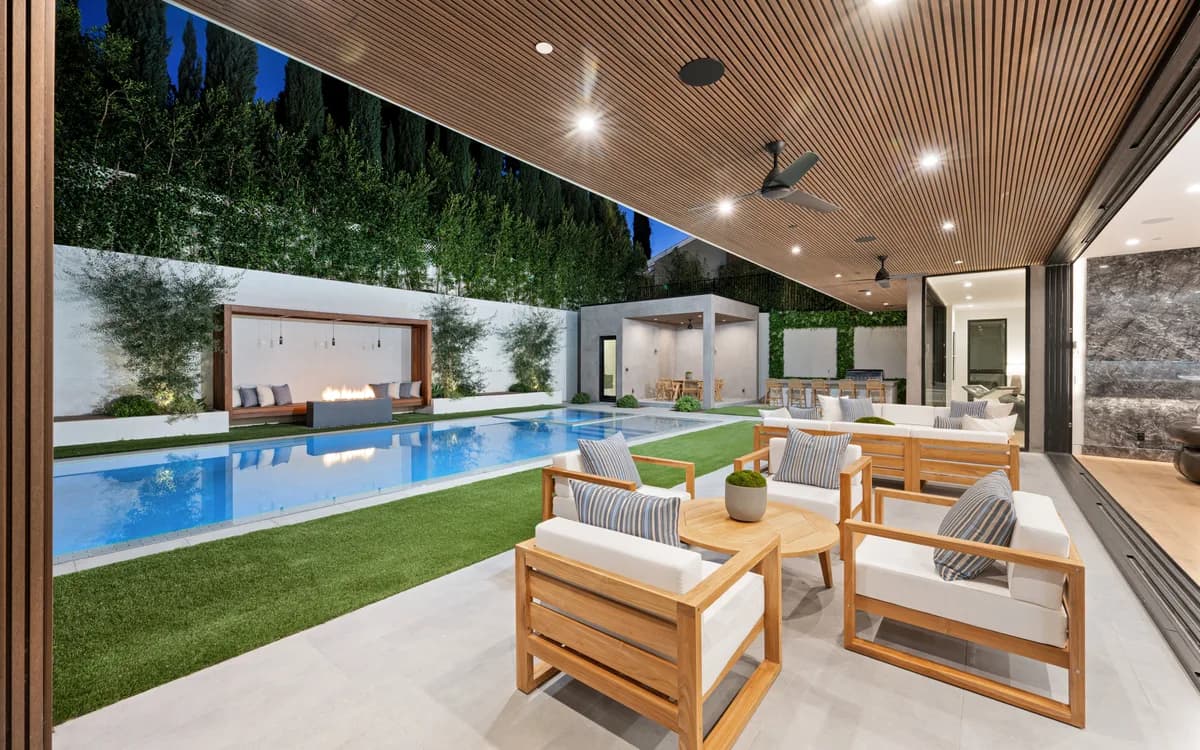
Coping is one of those pool design elements that homeowners sometimes overlook until they see finished photos of different options side by side. It runs the perimeter of the pool, sits at water level, and forms the visual frame of the whole installation. It is also structural, serving as the transition between the pool shell and the deck system and protecting the shell's top edge from water finding its way behind the wall.
What Pool Coping Actually Does
The coping cap sits on top of the pool's bond beam, the structural concrete ring that runs the full perimeter of the pool at the waterline. It overhangs the pool's interior slightly, which creates a lip that directs splash water back into the pool rather than behind the shell. This overhang is also what swimmers grip when resting at the edge. Getting into and out of the pool, sitting on the edge, and hanging at the wall all happen at the coping.
Because coping is at the intersection of water, air, and the deck structure, it faces more stress than most other pool materials. It cycles through wet and dry, hot and cold, sun and shade. For Virginia's climate, which includes real winters with ground freeze events and hot, humid summers, the coping material needs to handle that full range without cracking, spalling, or allowing water intrusion that gets worse through successive freeze-thaw cycles.
Poured Concrete Coping
Poured concrete coping is formed in place along the top of the bond beam during construction. It can be shaped to a bullnose profile (rounded edge) or a cantilevered edge that overhangs the water. Formed coping is seamless along each straight run, which means fewer joints where water can penetrate. It can be colored and textured to match or complement the deck. Poured concrete is durable in Virginia's climate when properly specified and installed, though it can develop surface crazing over time that calls for resealing.
Precast Concrete Coping
Precast coping units are manufactured offsite and set during construction. They are available in bullnose, square edge, and cantilevered profiles, and in a wide range of colors and textures. Precast units are consistent in dimension and have controlled curing conditions, which can make them more uniform than field-poured coping. The joints between units are sealed, and in Virginia's freeze-thaw environment, joint sealant maintenance is an ongoing task to prevent water intrusion behind the bond beam.
Natural Stone Coping
Travertine, bluestone, limestone, and granite are all used as pool coping in the mid-Atlantic region. Each has different properties for Virginia's climate. Travertine is popular for its warm tone and relatively slip-resistant filled surface, but it is a porous stone that requires sealing and can be affected by pool chemicals over time. Bluestone, a dense material quarried in Pennsylvania and Virginia, holds up well to freeze-thaw cycles and has a naturally textured, slip-resistant surface. Limestone and granite are also durable but vary by quarry source in density and porosity.
Natural stone coping adds a material quality that poured or precast concrete cannot replicate. The trade-offs are cost, sealing maintenance, and the reality that natural variation in stone means each installation looks somewhat different from another. For homeowners who value the material aesthetic and are prepared to maintain it, natural stone is a premium that delivers visually and holds up well in this climate when properly sealed.
Paver Coping
Concrete pavers manufactured for pool use are often used at pool edges as coping, with matching pavers extending outward as the deck surface. This creates a visually unified installation where the pool edge and deck are the same material. Pavers designed for pool use have a slip-resistant surface and are rated for continuous water exposure. Like all paver systems in Virginia, the joint sand and paver base need to be specified for freeze-thaw stability to prevent shifting and joint opening over time.
If you are also deciding on your deck material, the page on pool deck material options in Virginia covers pavers, stamped concrete, and other surfaces with the same Virginia-climate focus.
Brick Coping
Brick coping has a long history in Virginia residential architecture and works well as a pool edge material when swimming pool-rated brick is used. Standard face brick is not appropriate for continuous pool water exposure. Pool-rated brick has higher density and lower water absorption. Brick coping on a gunite pool can be a strong design choice for properties where the brick ties to the house or hardscape architecture.
What Matters Most in Virginia's Climate
Fredericksburg, Spotsylvania, and Stafford are in USDA Zone 7b, with winters that include ground freeze events and occasional hard cold snaps. The key property for coping durability in Virginia is resistance to water penetration followed by freeze-thaw cycling. Any water that penetrates a crack or joint, freezes, and expands will work that opening larger over successive cycles. Dense, low-porosity materials sealed at joints hold up best. Regular joint and sealant inspection is maintenance that protects all coping types in this climate.
Profile Choice: Bullnose vs Cantilevered Edge
Bullnose coping has a rounded forward edge that overhangs the pool interior. It is the most common profile because the rounded edge is comfortable to sit on and grip while swimming at the wall. Cantilevered coping extends further over the water, creating a clean line where the deck appears to float above the waterline. The cantilevered look is popular in contemporary pool designs. Both profiles serve the functional requirements; the choice comes down to aesthetic preference and how the edge relates to the overall design.
Coping choice is part of the full design conversation. See custom inground pool options for a look at how edge, deck, and shell decisions come together.
Interested in how coping fits into your pool design? Get a quote from K&D and we will walk through coping, decking, and finish choices that work for your lot and style.
More Questions
Frequently Asked Questions
What is pool coping?
Pool coping is the cap material that runs along the top edge of the pool shell, forming the border between the water and the deck. It protects the pool structure from water infiltration, provides a gripping and sitting surface for swimmers, and frames the pool visually.
What is the most durable pool coping material for Virginia winters?
Dense, low-porosity materials that resist water intrusion hold up best through Virginia's freeze-thaw cycles. Properly installed precast concrete, dense natural stone like bluestone, and pool-rated pavers all perform well when joint sealants are maintained. Regular sealant inspection and touch-up is the most important maintenance task for any coping material in this climate.
What is bullnose coping?
Bullnose coping has a rounded forward edge that overhangs the pool interior. It is the most common pool coping profile because the rounded edge is comfortable to sit on and grip. It is available in poured concrete, precast units, and natural stone.
Can I use natural stone coping on a Virginia pool?
Yes. Travertine, bluestone, limestone, and granite are all used as pool coping in Virginia. Dense stones like bluestone handle the freeze-thaw climate well. Porous stones like travertine require regular sealing and maintenance. All natural stone coping benefits from joint sealant inspection each season.
Does pool coping need maintenance?
Yes. All coping materials benefit from regular inspection of joints and sealants, particularly before and after winter. Water that penetrates joints and freezes will expand the opening over successive cycles. Catching and resealing small cracks or open joints early prevents more significant repairs later.
Also From K&D
Explore More
Talk to a Local Pool Builder.
We build gunite and fiberglass pools across the Fredericksburg area. Ask us anything.