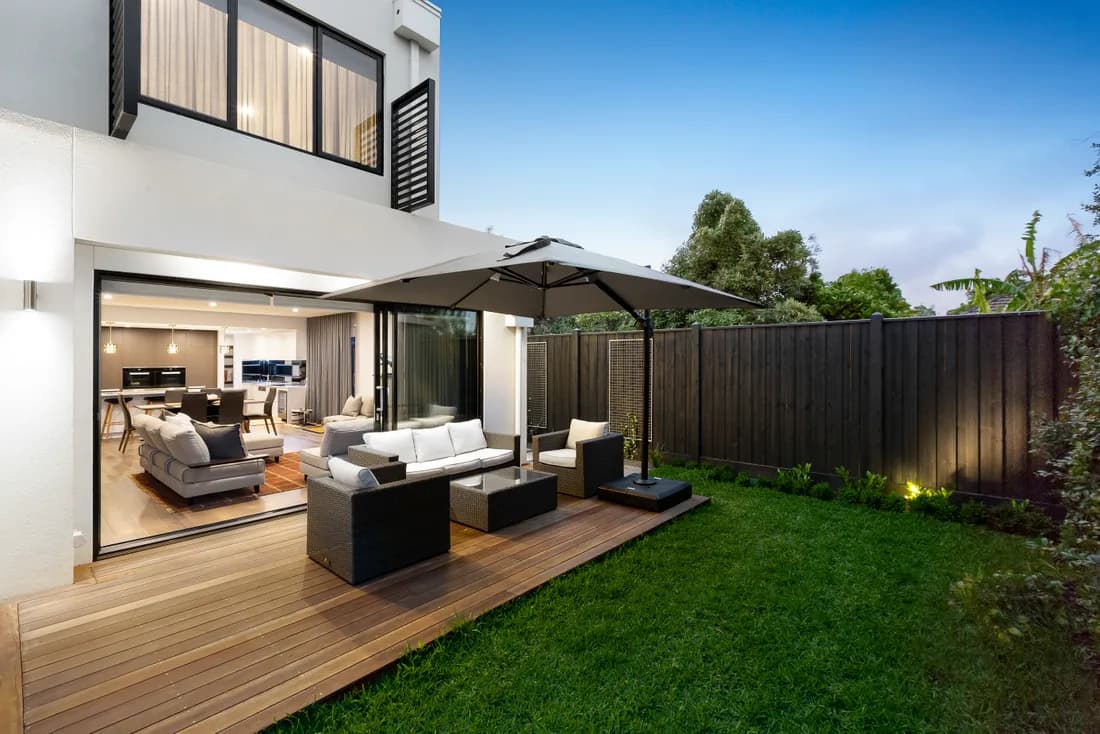
A smaller yard does not mean you cannot have a great pool. With the right shape, smart features, and a design that works with your setbacks, most Northern Virginia and Fredericksburg lots can fit a beautiful, functional inground pool. Here is how to think about it.
K&D Pools·June 20, 2026
You Do Not Need a Big Yard for a Great Pool
One of the most common things we hear from homeowners in Northern Virginia and the Fredericksburg area is that they are worried their yard is too small for a pool. Most of the time, it is not. The key is designing for the actual space you have instead of trying to fit a standard shape into a yard that calls for something different. A pool that fits your lot well and leaves room to enjoy the backyard is better than a larger pool that crowds everything out.
Best Pool Shapes for Small Lots
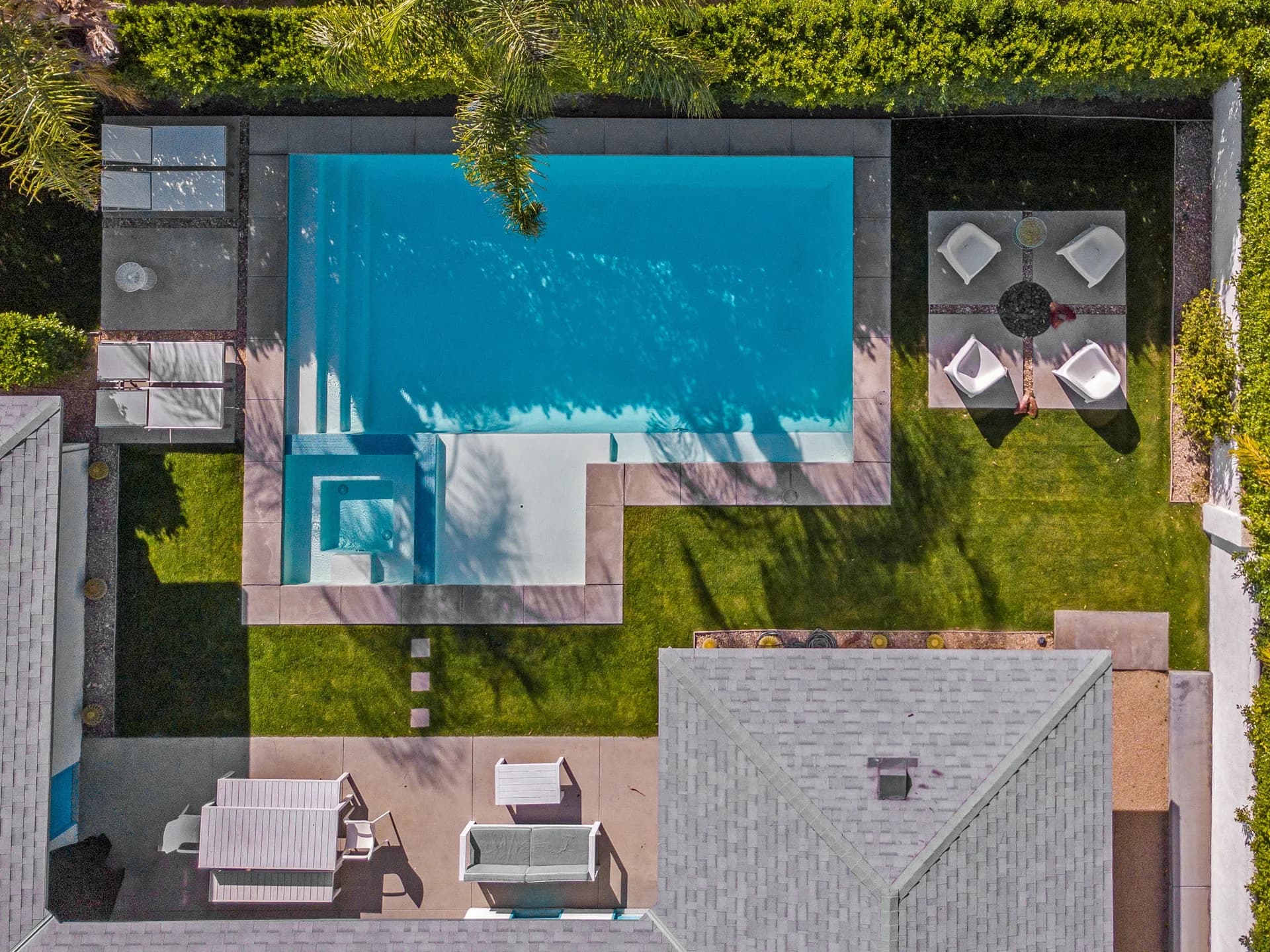
Rectangular pools are efficient with space because the clean geometry leaves defined areas on each side for a deck or plantings. A compact rectangle can work well even on a narrow lot if it is oriented correctly. Freeform pools give you more flexibility to follow a property line or work around an existing tree or structure. L-shaped pools can also work well, allowing one arm to serve as a lap or swim zone while the other end holds a shallower lounge area.
Not sure which shape fits your space? Read our guide to freeform versus rectangular pool shapes to understand the tradeoffs.
Plunge Pools and Compact Designs
A plunge pool is a deeper, smaller pool designed for cooling off and relaxing rather than lap swimming. Because the footprint is small, plunge pools work on lots where a standard pool would not fit or would leave no room for a deck. They can also be finished with the same features as a larger pool: tanning ledges, jets, lighting, and quality coping. If your goal is to have water in the backyard and a place to cool off in Virginia summers, a well-designed plunge pool can deliver that without needing a large lot.
Features That Make a Small Pool Feel Bigger
The right features can change how a compact pool reads in the backyard. A tanning ledge or Baja shelf along one end adds visual width and creates a usable shallow zone without requiring more pool length. A spillover spa attached to the pool creates a layered look that draws the eye and adds function. Clean, simple coping in a light color makes the water area feel more open. Avoiding cluttered add-ons and keeping the design tight and intentional usually looks better than cramming in every option.
Learn how tanning ledges and Baja shelves work on our tanning ledge and Baja shelf guide.
Lighting and Coping Tricks
Good lighting makes a small pool feel larger, especially in the evening. LED lights set inside the pool shell reflect off the water and add depth. Perimeter lighting along the deck or coping draws the eye outward. Choosing a coping material that blends with the deck rather than contrasting heavily keeps the eye moving across the whole space rather than stopping at the pool edge. These are small choices with a real visual effect.
See the full range of options on our pool lighting guide.
Working Around Setbacks and Access
Virginia localities set minimum distances from a pool to property lines, structures, and easements. These setbacks vary by county and sometimes by zoning district. Before you design around a specific pool size, find out your county's rules. In most cases there is still room to build a meaningful pool. K&D reviews setbacks as part of the design process so the layout we propose is one that will actually get permitted. Access is a related consideration. Excavation equipment needs a path to the backyard, and a narrow side yard or a fully fenced lot may affect how the project is approached.
Wondering what size actually fits your situation? Read our guide to what size inground pool you should build.
Start With a Design That Fits Your Yard
The best way to know what is possible on your lot is to work through a real design. K&D starts every project with a yard visit and a custom layout. You see exactly how the pool, deck, and features fit before anything is decided. Designing around your actual space almost always reveals options that are not obvious from the street or a satellite image.
Use our pool design tool to start thinking through what fits your yard.
More Questions
Frequently Asked Questions
What is the smallest practical inground pool?
A plunge pool can be as compact as 8 by 12 feet, though most homeowners find 10 by 20 feet a more comfortable size for actual use. Standard inground pools typically start around 12 by 24 feet. The right minimum depends on how you plan to use the pool. K&D can show you what different sizes look like on your actual lot.
Are plunge pools worth it?
For the right situation, yes. If your yard cannot fit a standard pool, or if your main goal is a place to cool off and relax rather than swim laps or entertain large groups, a plunge pool delivers real value at a smaller footprint. They can still include quality finishes, lighting, and a tanning ledge. The honest answer is that it depends on how you picture using the space.
Can you put a pool in a small backyard in Virginia?
In most cases, yes. The specific answer depends on your lot dimensions, county setback requirements, and how much yard you want to retain around the pool. Many Northern Virginia and Fredericksburg lots that homeowners assume are too small can fit a well-designed pool with room for a deck. K&D reviews setbacks and access as part of every design conversation.
Do small pools cost less?
Generally, a smaller pool uses less material and excavation, so the pool itself can cost less than a larger one. But some costs, like permits, equipment, and site preparation, are relatively fixed regardless of pool size. A compact plunge pool can be a more affordable entry point, but the total project cost depends on your site, the finishes you choose, and the scope of the deck and landscaping.
How close to the property line can a pool go?
Setback requirements vary by county and zoning district in Virginia. Most jurisdictions require a minimum distance from the pool to property lines, structures, and easements, typically ranging from 5 to 15 feet depending on the locality. K&D reviews your specific county's requirements during the design process. Check with your local building department or ask K&D during your consultation for the rules that apply to your address.
Also From K&D
Explore More
Your Backyard Should Be the Best Room in Your Home.
K&D builds custom gunite and fiberglass pools in Fredericksburg and Northern Virginia.