
Pool Guide
What Is a Plunge Pool and How Much Does One Cost in Virginia?
The Short Answer
What is a plunge pool and how much does one cost in Virginia?
A plunge pool is a compact inground pool designed primarily for cooling off, relaxing, and hydrotherapy rather than lap swimming or recreational play. Most plunge pools range from 8 to 14 feet wide and 12 to 20 feet long, with depths from 4 to 6 feet. They are a practical option for Virginia homeowners with smaller backyards who want inground pool ownership without a full-size footprint.
The plunge pool category has grown significantly as homeowners with smaller backyards, tighter budgets, or a preference for understated design have looked for alternatives to a full-size inground pool. A plunge pool delivers the primary benefits of pool ownership, cool water to enter on a hot day, a space for soaking and hydrotherapy, and a visual focal point for the backyard, in a much smaller footprint.
What Defines a Plunge Pool
There is no hard industry-standard line that separates a plunge pool from a small inground pool in general. In practice, the term describes pools at the compact end of the size range, typically under 15 feet in any dimension and often built deeper relative to their surface area than a recreational pool. The depth provides the characteristic plunge experience and allows full immersion in a pool that might only be 10 feet across.
Most plunge pools share a few design characteristics: a single consistent depth rather than a graduated shallow-to-deep profile, minimal or no shallow ledge area, a focus on seating and steps rather than swim lanes, and often an integration with jets or a circulation system that adds the hydrotherapy element. Some are heated to stay at a consistent temperature year-round. Some are built cold as a contrast pool used alongside a spa or hot tub.
Plunge Pool Sizes That Fit Virginia Lots
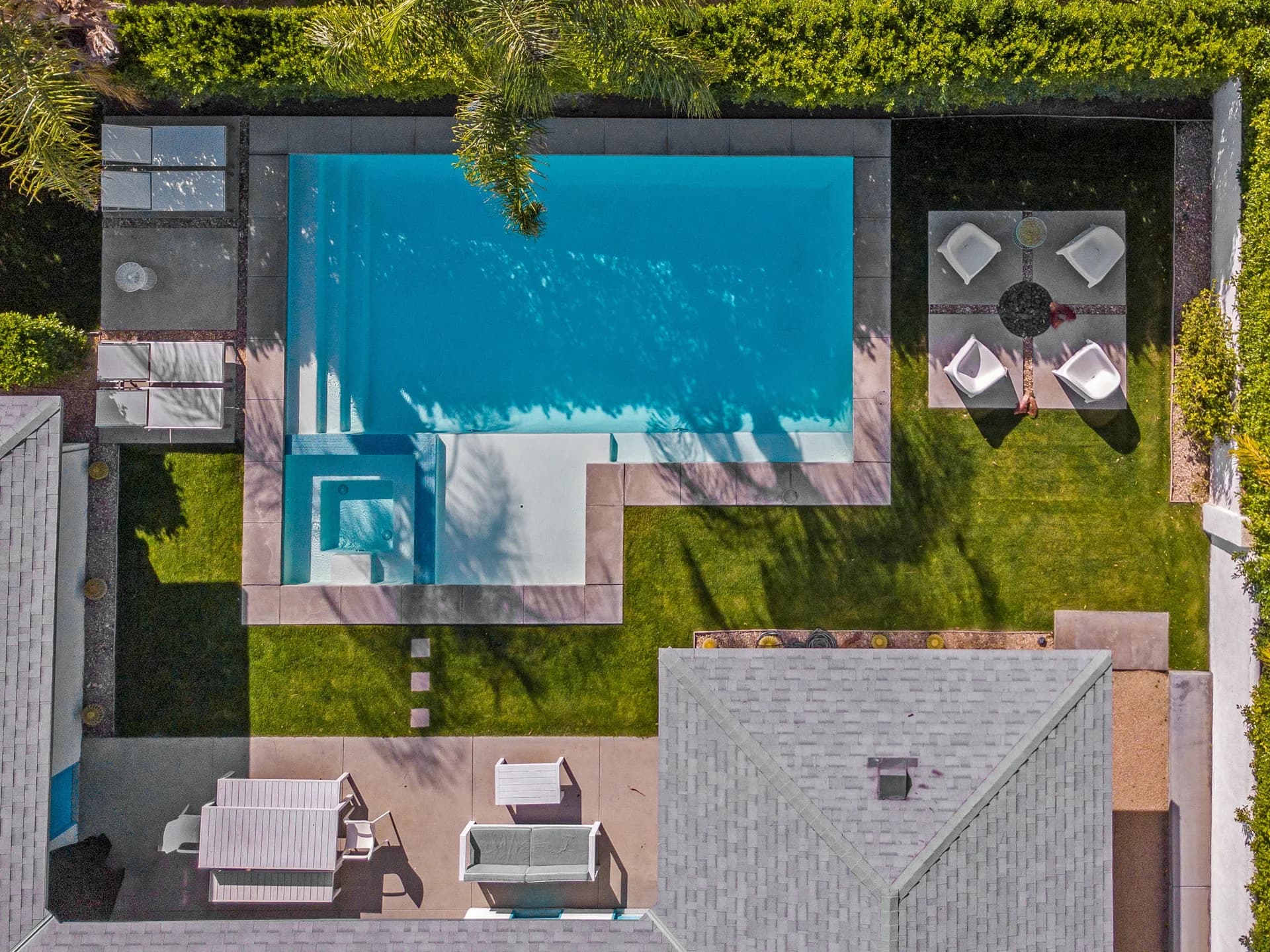
For the Fredericksburg area, where many residential lots are in the quarter-acre to half-acre range after setbacks, a plunge pool's smaller footprint means it can be placed where a standard 16 by 32 pool would not fit. A 10 by 20 plunge pool requires significantly less clearance from property lines, structures, and easements. On a lot where the available pool envelope is tight, a plunge pool may be the only inground pool that fits within setback requirements.
For context on lot sizes and what setbacks typically allow, the page on what size inground pool you should build walks through how lot size and setbacks affect pool dimensions.
Plunge Pool vs Standard Inground Pool
A standard inground pool, typically 14 to 20 feet wide and 28 to 40 feet long, is designed for swimming laps, family recreational use, and accommodating multiple people at once. A plunge pool serves a different purpose. You are not swimming lengths in it. It is a place to cool down after exercise or yard work, soak on a hot afternoon, sit with guests in a social format, or do gentle hydrotherapy. The two are not substitutes for each other so much as different tools for different uses.
For families with children who want space for recreational swimming and play, a plunge pool is not the right answer. For couples or adults who want the experience and visual presence of a pool without the full footprint, cost, or maintenance load of a standard pool, a plunge pool is worth serious consideration.
Construction Types for Plunge Pools in Virginia
Plunge pools are built in fiberglass and gunite. Fiberglass plunge pool shells exist in compact shapes designed specifically for this format and can be installed quickly once the excavation is complete. Gunite allows fully custom shapes and depths. For Virginia's clay soil environment, both fiberglass and gunite handle the seasonal soil movement well when properly installed with the right gravel bed and backfill specification.
For a comparison of how fiberglass and gunite hold up in Virginia conditions specifically, gunite vs fiberglass pools in Virginia covers the material differences in detail.
Cost Considerations for Plunge Pools
Plunge pools cost less than full-size pools in total dollar terms because they use less material and take less time to build. However, cost per square foot of water surface is often higher for compact pools because certain fixed costs, including permit fees, equipment, plumbing, and electrical, do not scale linearly with pool size. The equipment package for a plunge pool is essentially the same as for a larger pool: pump, filter, heater if included, controls, and lights. Those costs are present regardless of how many square feet of water surface the pool has.
If you are comparing a plunge pool to a swim spa or hot tub as alternatives, the comparison includes both upfront cost and the structural permanence of the investment. A plunge pool is a permanent inground improvement that adds to your property value. A portable spa does not. For homeowners planning to stay long-term, the inground option typically returns more at resale.
For a look at how pools affect resale value in Virginia, the page on does a pool add home value in Virginia covers what buyers in this market pay attention to.
Heated vs Unheated Plunge Pools in Virginia
Virginia summers make an unheated plunge pool very appealing from May through September. Adding a heater extends the usable season into spring and fall, which in Virginia is meaningful, as the area has comfortable outdoor temperatures through October in most years. The heater adds to both upfront equipment cost and annual operating cost, so the extension needs to be worth it to you personally.
Some homeowners build plunge pools specifically as cold plunge pools, keeping the water deliberately cool for contrast bathing and recovery. This requires a chiller unit rather than a heater to maintain the cold temperature in summer. Cold plunge practice has grown in popularity, and a plunge pool format suits it well. The chiller system and its ongoing operating cost should be factored into the budget.
Maintenance for a Plunge Pool
Smaller water volume means chemistry can shift faster in a plunge pool than in a larger pool. A change in bather load or a heavy rainfall affects chemistry more noticeably when the total gallons are lower. This means staying attentive to water balance, not less attentive. A small pool with fewer gallons still needs the same monitoring disciplines as a large one, just with smaller chemical doses.
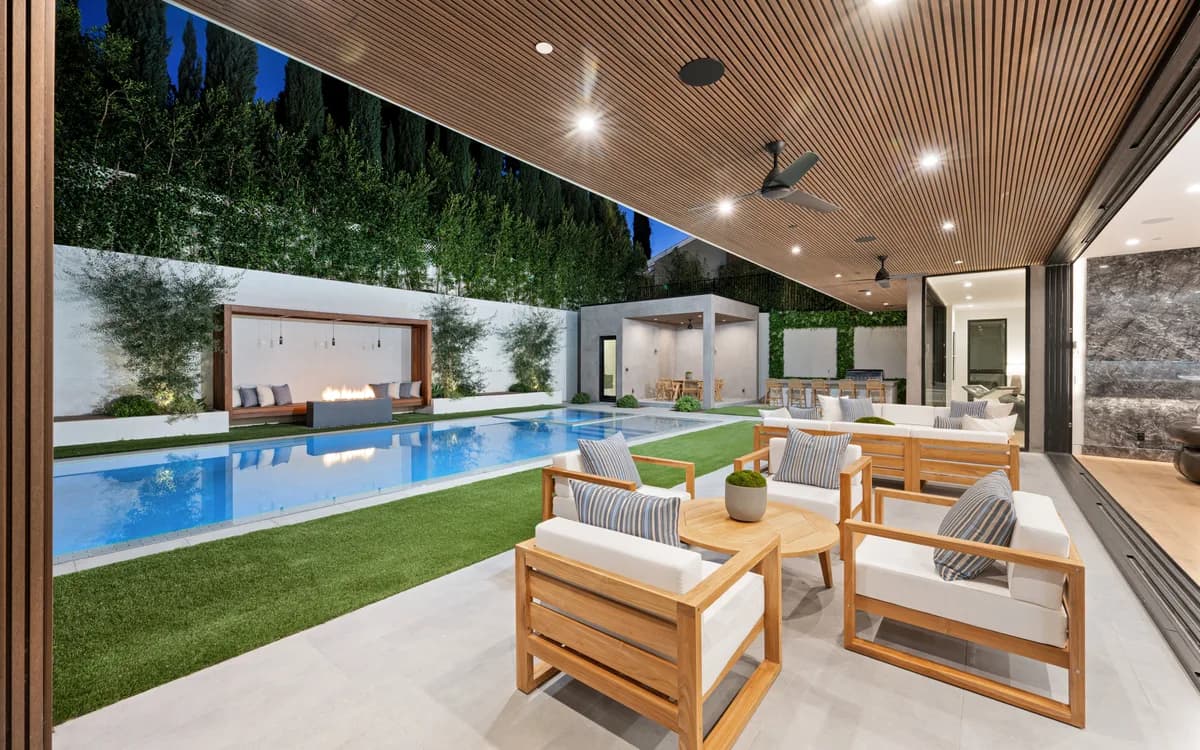
Ready to see whether a plunge pool or a standard inground pool is the right fit for your yard? Get a quote from K&D and we will look at your lot, your goals, and give you an honest recommendation.
More Questions
Frequently Asked Questions
What is a plunge pool?
A plunge pool is a compact inground pool designed primarily for cooling, soaking, and hydrotherapy rather than lap swimming or recreational play. Most range from 8 to 14 feet wide and 12 to 20 feet long, with depths from 4 to 6 feet. They are a practical option for smaller backyards or homeowners who want pool ownership in a smaller footprint.
Can a plunge pool fit in a small Virginia backyard?
Yes. That is one of the main reasons homeowners in the Fredericksburg area choose plunge pools. A 10 by 20 plunge pool requires significantly less clearance from property lines and structures than a 16 by 32 standard pool. On tight lots where a standard pool would not clear setbacks, a plunge pool may still fit.
What is a cold plunge pool?
A cold plunge pool is kept at deliberately cool temperatures, typically below 60 degrees Fahrenheit, for contrast bathing and recovery. It requires a chiller unit rather than a heater to maintain the cold temperature in summer. Cold plunge practice has grown in popularity and a plunge pool format suits it well.
Is a plunge pool the same as a swim spa?
No. A swim spa is a manufactured unit with jets that create a current for stationary swimming. A plunge pool is a custom or pre-shaped inground pool structure without the swim current feature. A plunge pool is a permanent inground improvement; most swim spas are semi-portable units placed on a pad.
Does a plunge pool add value to a Virginia home?
A plunge pool is a permanent inground improvement that adds to assessed property value. The amount it adds at resale depends on your neighborhood and buyer pool, similar to a standard inground pool. It adds more value than a portable spa or above-ground option.
Also From K&D
Explore More
Talk to a Local Pool Builder.
We build gunite and fiberglass pools across the Fredericksburg area. Ask us anything.