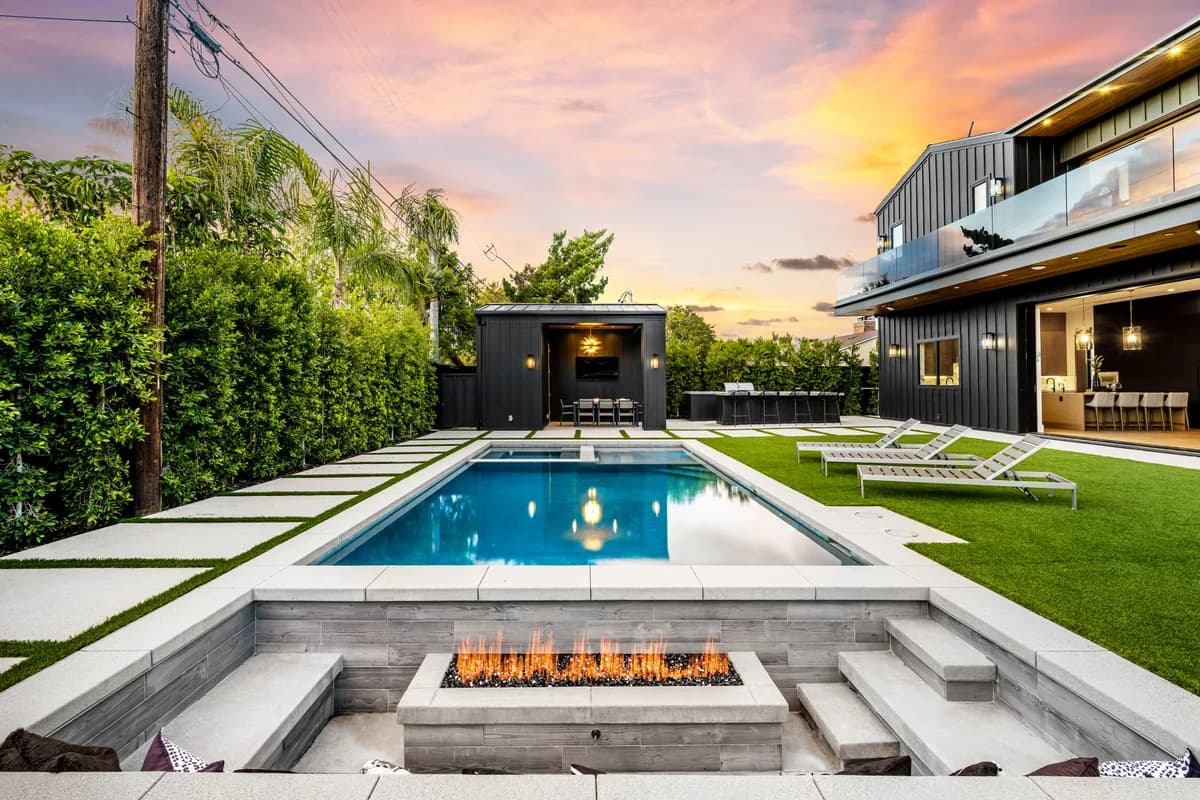
The pool is the centerpiece, but landscaping and hardscape are what make the backyard feel complete. From plant selection to decking materials, fire features, and shade structures, here is how to design the whole space around your new pool.
K&D Pools·June 24, 2026
Designing the Whole Backyard, Not Just the Pool
A pool project is an opportunity to think about the entire backyard at once. The most satisfying finished spaces are the ones where the pool, deck, planting, lighting, and outdoor living areas were designed together rather than added piece by piece over the years. Planning the landscaping at the same time as the pool also avoids the common problem of planting something beautiful that turns out to be a maintenance headache once the pool is in.
Pool-Friendly Plants for Virginia
Not every plant that looks great in a Virginia garden belongs near a pool. The ideal pool-area plant has a few things going for it: it does not drop excessive debris into the water, it is not invasive, and it provides the color or texture you want. Good options include ornamental grasses like Karl Foerster feather reed grass, which adds vertical interest without dropping leaves. Crepe myrtles work well for some screening. Native options like switchgrass or black-eyed Susan can add color with low maintenance. Evergreen shrubs like Little Gem magnolia or Sky Pencil holly offer structure and year-round coverage.
Privacy and Screening
Most homeowners want some level of privacy around the pool area. The options range from living screens to solid structures. Arborvitae and Leyland cypress are fast-growing and work well for blocking sight lines, though Leyland cypress has some disease susceptibility in Virginia's climate that is worth knowing about. A combination of a wood or composite fence on the property line with plantings softening the inside face is a common and effective approach. Pergolas and shade structures also add privacy without requiring mature plants.
Decking and Hardscape Choices
The deck material affects how the backyard looks and feels underfoot. Concrete pavers in a neutral tone are a popular choice because they are durable, can be replaced individually if one cracks, and stay cooler than solid concrete in direct sun. Travertine and natural stone look beautiful but require more care in Virginia winters due to freeze-thaw cycles. Brushed or exposed aggregate concrete is also durable and provides traction when wet. Whatever material you choose, make sure it is specified for pool-area use, meaning it is slip-resistant and does not absorb pool chemicals in a way that degrades the surface.
Fire Features and Outdoor Living
A fire pit or fire bowl extends the time you spend outside in the evening and in the shoulder seasons, which in Virginia can stretch well into November. Position a fire feature far enough from the pool to avoid sparks landing on the water surface, but close enough to feel like part of the same outdoor room. Built-in seating walls around a fire pit double as landscape structure and extra seating for larger gatherings. Outdoor kitchens and bar areas near the pool are another way to turn the backyard into a genuine outdoor living space.
See how K&D approaches the full outdoor living buildout on our complete backyard page.
Interested in water features like fountains or spillovers? Read our guide to custom pool water features.
Shade Structures
Virginia summers are hot, and a shade structure over part of the deck makes the space usable during peak afternoon heat. A pergola with a climbing vine like wisteria or Carolina jessamine provides dappled shade and looks established quickly. A solid-roof pergola or cabana gives full shade and can house an outdoor fan or lighting. Pool-adjacent umbrellas work for some layouts but can be awkward around a pool deck because of wind. A permanent structure tends to hold up better and adds more value to the property.
Lighting the Space
Landscape lighting does more than improve safety after dark. It extends the visual depth of the space and makes the backyard feel finished. In-pool LED lighting makes the water glow in the evening. Path lighting along walkways and steps is a safety requirement. Uplighting on trees or a garden wall adds depth and drama. Low-voltage accent lighting around planting beds is easy to install and can be added over time as the landscaping matures.
For a full overview of what pool lighting options are available, see our pool lighting options guide.
Bringing It Together
The best backyard projects treat the pool, deck, plantings, and outdoor living areas as one connected design. When you plan everything together, the spaces flow into each other instead of feeling like separate decisions bolted on at different times. K&D builds complete backyard projects, which means we can help you think through how all the pieces work together from the start.
Start the conversation about your backyard with our pool design tool.
Explore our completed projects in the K&D gallery to see how full backyard buildouts come together.
More Questions
Frequently Asked Questions
What plants are best around a Virginia pool?
Good choices include ornamental grasses like Karl Foerster feather reed grass, native perennials like black-eyed Susan and switchgrass, and evergreen shrubs like Little Gem magnolia or Sky Pencil holly. The criteria are low debris drop, non-invasive roots, and tolerance for Virginia's climate including summer heat and winter freeze-thaw cycles.
What plants should I avoid near a pool?
Avoid plants that drop significant debris into the water: sweet gum balls, pine needles, cottonwood fluff, and large-leafed deciduous trees near the pool edge. Also avoid plants with aggressive root systems that could affect the pool shell or plumbing over time. Crape myrtles are often fine but can drop flowers into the water during bloom. Placement and species selection both matter.
What is the best decking material for a pool in Virginia?
Concrete pavers are a popular choice because they are durable, replace easily if a section cracks, and stay cooler in direct sun than solid poured concrete. Natural stone like travertine looks beautiful but requires more attention to freeze-thaw performance. Brushed or exposed aggregate concrete is also solid for pool areas. Whatever you choose, confirm it is specified for pool use and rated for slip resistance when wet.
How do I add privacy around my pool?
Options include privacy fencing along the property line, fast-growing evergreen screens like arborvitae, a combination of fence and interior planting, or built shade and pergola structures. The right approach depends on your lot, the sight lines you want to block, and the look you are going for. K&D can help you think through what fits the overall design.
Should landscaping be part of the pool project?
Planning the landscaping at the same time as the pool is worth it even if the full planting happens later. Knowing where the plants will go affects where the deck ends, how the lighting is positioned, and whether you need a fence or screen. K&D builds complete backyard projects and can include the landscaping and hardscape as part of a single plan and scope.
Also From K&D
Explore More
Your Backyard Should Be the Best Room in Your Home.
K&D builds custom gunite and fiberglass pools in Fredericksburg and Northern Virginia.